A Professional Wig Factory Explains the Real Reasons Behind the Price Gap
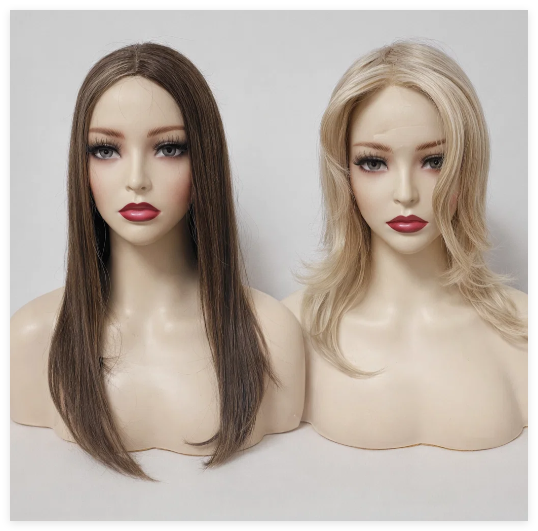
If you’ve ever compared wig prices, you may have noticed a consistent pattern:
Blonde, ash, gray, or pastel wigs almost always cost more than dark-colored ones.
To many buyers, this can feel confusing. After all, isn’t it just a color change?
From a professional wig factory’s perspective, the answer is a clear no.
Light-colored wigs involve more raw material loss, more labor, higher technical risk, and stricter quality control. Below, we’ll walk you through the real reasons—step by step—in a way that both beginners and professionals can understand.
1. The Starting Point Matters: Not All Hair Can Become Light
Dark wigs can use a wide range of raw hair
Black or dark brown wigs can be produced using multiple grades of human hair, including:
- Natural dark virgin hair
- Remy hair with minimal processing
- Hair with slight inconsistencies in tone
Minor variations are easily hidden in darker shades.
Light wigs require elite raw material only
To create a clean blonde or light shade, factories must start with hair that is:
- Strong and healthy
- Cuticle-aligned
- Low in previous chemical exposure
Any weak hair will break, tangle, or lose shine during bleaching.
This immediately reduces the usable hair pool—and drives up cost.
2. Bleaching Is Not Coloring—It’s Controlled Damage
Dark wigs = deposit color
Applying dark dye means adding pigment to the hair shaft.
It’s relatively stable and forgiving.
Light wigs = removing natural pigment
To reach shades like 613, ash blonde, platinum, or silver, we must:
- Strip natural melanin from the hair
- Neutralize unwanted undertones (yellow, orange, red)
- Preserve cuticle integrity at the same time
This is a high-risk chemical process that requires expert timing and formulation.
3. More Processing Stages = More Labor Cost
A typical dark wig may involve:
- Cleaning
- Light conditioning
- Coloring
- Styling
A light-colored wig often requires:
- Deep cleansing
- Pre-treatment strengthening
- Multi-stage bleaching
- Neutralizing & toning
- Intensive conditioning
- Color correction
- Resting & re-treatment
Each step adds time, skilled labor, and failure risk.
4. Yield Loss: Not All Hair Survives the Process
From a factory perspective, this is one of the biggest hidden costs.
- Some hair becomes too dry after bleaching
- Some strands lose cuticle alignment
- Some batches fail color consistency tests
That hair is discarded, not sold.
In contrast, dark wigs have much higher usable yield.
5. Color Consistency Is Harder Than You Think
Dark shades hide variation
Slight inconsistencies are barely noticeable.
Light shades expose everything
In blonde and gray wigs, customers can easily see:
- Patchy tones
- Brassiness
- Uneven roots
- Color banding
To avoid this, factories must:
- Use experienced color technicians
- Run multiple quality inspections
- Often re-tone or reprocess pieces
Consistency = cost.
6. Light Wigs Need Stronger Aftercare Treatments
Bleached hair is naturally more fragile.
To ensure wearability, factories invest in:
- Deep hydration treatments
- Silicone-free smoothing processes
- Protein balance restoration
These treatments improve longevity—but they also increase production cost.
7. Higher Return & Complaint Risk Is Built Into the Price
From a business standpoint:
- Light wigs have higher customer expectations
- Buyers are more sensitive to tone accuracy
- Returns are more common if the color isn’t “perfect”
Factories price light-colored wigs to account for:
- Extra QA checks
- Remakes or adjustments
- Post-sale support
8. Trend-Driven Demand Increases Cost Pressure
Blonde, ash, silver, and pastel shades are especially popular for:
- Fashion wigs
- Influencer looks
- Custom OEM collections
High demand + complex production = premium pricing.
Final Thoughts: You’re Paying for Skill, Not Just Color
From a professional wig factory’s perspective, light-colored wigs cost more because they require:
- Better raw hair
- More technical expertise
- Longer production cycles
- Higher failure risk
- Stricter quality control
When you purchase a light-colored wig, you’re not just buying a shade—you’re paying for precision, experience, and craftsmanship.
Top-tier wig manufacturers like Tongenwigs offer more than just products—they provide dependable, high-quality solutions for customers and businesses seeking to elevate their style and service. With premium materials, expert craftsmanship, full customization options, and a commitment to outstanding customer support, Tongenwigs has earned its reputation as a leader in the global wig industry.
Whether you need superior wig quality, reliable wholesale supply, or fully customized OEM services, Tongenwigs delivers exceptional value with competitive pricing. Explore the full range of professional human hair and synthetic wig solutions at tongenwigs.com and experience the difference of partnering with a trusted manufacturer.