If you’ve ever walked into a salon and felt overwhelmed when your stylist mentioned “balayage” or “ombré,” you’re not alone. These two French-inspired hair color techniques have dominated the beauty world for years, yet many people still confuse them. At first glance, both styles offer a gradient effect, but the artistry behind them is remarkably different.
Today, we’ll break down the real difference between balayage and ombré, how to spot each technique, and how to choose the right one for your hair goals. Consider this your practical, clear, and surprisingly fun guide to two of the most popular hair color trends in modern beauty.
What Is Balayage? A Soft, Sunlit Sweep of Color
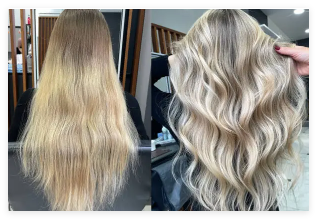
The word balayage comes from the French term for “sweeping,” and that’s exactly what happens during the coloring process. Instead of using foil or strict placement patterns, the colorist hand-paints highlights onto the outer surface of the hair. Think of it as freehand artistry on strands.
How Balayage Looks
Balayage creates:
- Lightness at the mid-lengths and ends
- Natural roots that softly grow out
- A seamless blend between your natural shade and the painted color
- Multi-dimensional tones with both light and shadow
Because the color is painted softly and strategically, the result mimics natural sun-kissed hair. It works on every hair color, from dark brunette to strawberry blonde, and it adds instant brightness without harsh lines.
Why People Love It
- Low maintenance
- Soft, natural finish
- Works beautifully on long hair, waves, curls, and layered styles
- Grows out gracefully, reducing salon visits
Balayage is beloved by celebrities for a reason: it’s flattering, subtle, and effortlessly polished.
Who Is Balayage Best For?
Balayage is ideal if you want:
- A natural, lived-in look
- Lightened pieces that blend evenly
- Dimension without drastic color contrast
- Color that doesn’t require constant touch-ups
Longer hair shows the sweeping strokes best, but with the right colorist, balayage can look great on short and medium-length hair too.
What Is Ombré? A Bold Color Fade From Dark to Light
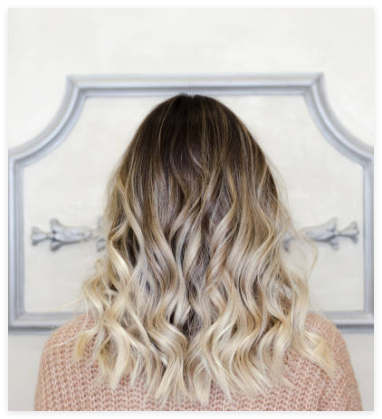
Ombré translates to “shaded” or “shadowed” in French, and the technique focuses on creating a noticeable transition from dark roots to light ends. Instead of hand-painting highlights, the stylist colors the lower half of your hair, creating a two-tone contrast.
How Ombré Looks
Classic ombré features:
- Darker color at the top
- Lightened hair at the bottom
- A clear gradient that becomes more dramatic toward the ends
- A distinctly two-tone effect
Ombré doesn’t have to stick to natural hues. You can blend brunette into caramel, black into silver, blonde into rose gold, or brown into pastel blue. The style embraces creativity and bold transitions.
Why People Love It
- Eye-catching and dramatic
- Perfect for experimenting with trend colors
- Lower maintenance than it looks
- Works beautifully on straight or wavy hair
Because the roots remain darker, the regrowth is almost unnoticeable, making ombré surprisingly easy to maintain.
Two Popular Ombré Variations
1. Sombré
Short for “soft ombré,” this version uses gentler transitions. The tones are closer together, giving a subtle, blended fade rather than a sharp contrast.
2. Color Melting
An advanced technique where two or more shades are blended seamlessly along each strand. It looks like the colors are literally melting into one another, creating a multidimensional, smooth gradient.
Who Is Ombré Best For?
Choose ombré if you want:
- A noticeable dark-to-light gradient
- A dramatic color statement
- A style that works especially well on medium to long hair
- A fade that still looks great as it grows out
Short hair can pull off ombré, but the effect becomes more pronounced and balanced with longer lengths, which give enough space for the gradient to flow.
Balayage vs. Ombré: The Clear Breakdown
| Feature | Balayage | Ombré |
|---|---|---|
| Technique | Hand-painted highlights | Dark-to-light fade |
| Finish | Natural, sun-kissed | Bold, gradient |
| Colors | Typically close to natural shade | Can include dramatic or fantasy colors |
| Maintenance | Low | Low to medium |
| Best for | Soft brightness & dimension | High-contrast color transition |
| Looks best on | Long hair, layered cuts | Medium to long hair |
How to Choose Between Balayage and Ombré
Ask yourself:
- Do you prefer subtle or dramatic color?
- Do you want a natural glow or a bold fade?
- Do you like the idea of hand-painted highlights, or do you prefer a clear two-tone look?
If you want a sunlit effect with depth, go for balayage.
If you want a noticeable color transformation that turns heads, ombré is your match.
Final Thoughts: Celebrating Two Different Beauties
Balayage and ombré may share French origins and gradient vibes, but their artistry and results are undeniably different. One is soft and sweeping; the other is bold and shaded. Both offer beautiful outcomes when done by a skilled colorist.
Now that you know the difference, you can confidently discuss your vision with your stylist—and choose the style that makes you look and feel amazing.