If you’ve ever ordered a wig in a color you thought you knew—say Honey Blonde, Chestnut Brown, or Raw Sugar—and opened the box only to pause for a second… you’re not alone.
The name was right.
The color? Not quite what you expected.
This happens more often than people realize, and it’s not because anyone is trying to mislead you. It’s because wig color names are not universal. They’re more like nicknames than exact formulas.
Let’s break down why that happens—and how to avoid surprises next time.
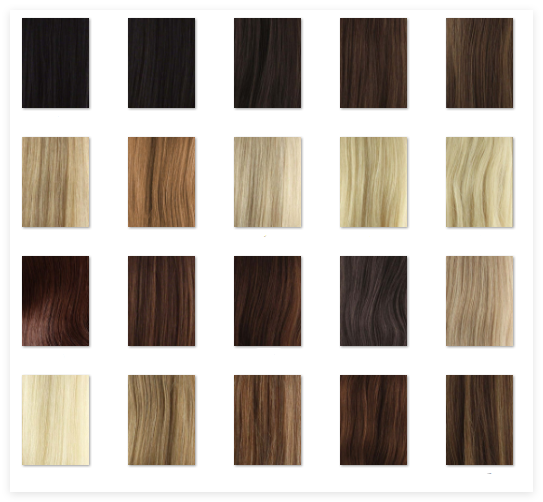
Color Names Are Marketing Language, Not a Color System
Unlike paint swatches or Pantone codes, wig colors don’t follow a global standard.
When one brand says Caramel, they might mean:
- a warm medium brown with golden undertones
Another brand’s Caramel could lean:
- lighter, almost blonde
- or deeper, with red or honey notes
Both are technically “caramel” in a poetic sense. Neither is wrong. But they’re not the same.
Color names are often chosen to:
- sound appealing
- match current trends
- fit a brand’s overall aesthetic
They’re descriptive, not technical.
Lighting, Photography, and Screens Change Everything
Even when brands try to be accurate, colors are vulnerable to interpretation.
Studio lighting can soften warmth.
Phone cameras exaggerate highlights.
Your screen brightness shifts undertones.
So a color called Ash Brown might look cool and muted online—but arrive with more warmth in real life. Not because the brand changed it, but because color lives differently in different environments.
This is especially true for blended shades.
One Name, Many Undertones
Here’s where it gets tricky.
Two wigs can share the same color name and still feel completely different on the head because of undertones:
- yellow vs. beige
- red vs. neutral
- cool ash vs. smoky grey
For example, Raw Sugar might mean:
- a soft blonde with creamy warmth
- or a light brown with subtle gold
- or even a blonde with no dark root at all
Without a reference chart, the name alone doesn’t tell the full story.
Human Hair vs. Synthetic Makes a Difference Too
The same color name behaves differently depending on the fiber.
Human hair absorbs dye in a more layered, natural way.
Synthetic fibers reflect light more evenly—and sometimes more brightly.
So a color called Mocha Brown might look deeper and richer in human hair, but flatter or shinier in synthetic. Again, same name. Different reality.
Why Brands Don’t Just Use Numbers
Some brands do use numbers (#1B, #4, #613), but even those aren’t perfectly consistent across suppliers.
And numbers don’t tell the emotional story customers connect with.
“613” doesn’t feel the same as “Soft Vanilla Blonde.”
Brands balance clarity with emotion—and sometimes emotion wins.
How to Avoid Color Disappointment
If you want fewer surprises, here’s what actually helps:
- Ask for real photos or videos, not just model images
- Check the brand’s color chart, even if you think you know the shade
- Confirm undertones (warm, cool, neutral)
- Compare against a reference you already own
- When in doubt, describe the color you want, not just the name
Color names start the conversation. They shouldn’t end it.
Final Thought
Wig color names are more like a shared language with regional accents.
You might recognize the word—but the tone shifts depending on who’s speaking.
Once you understand that, choosing a wig color becomes less frustrating and a lot more intentional. And honestly? That little shift in mindset saves time, money, and disappointment.
If you’ve ever opened a box and thought, “This isn’t what I imagined,” now you know why—and how to make the next choice a better one.